How to Find a Good Business to Start Disbusinessfied – Ultimate Guide for Entrepreneurs
Starting a business is both an exciting and challenging endeavor. Entrepreneurs often ask themselves, “Where should I start? Which industry offers the best opportunities? How can I ensure long-term success?” The answer lies in careful research, strategy, and understanding the market. For anyone wondering how to find a good business to start disbusinessfied, it’s essential to approach the process methodically.
This guide is designed to provide a comprehensive overview of starting a business successfully. We will cover everything from identifying opportunities, evaluating ideas, planning finances, and understanding risks to launching and managing a business effectively. By the end of this article, readers will have a clear roadmap and actionable insights on how to approach entrepreneurship and make informed decisions.
Understanding the Fundamentals of Business
Before diving into specific business ideas, it’s crucial to understand the fundamentals of business creation. Every successful business is built on a foundation of strategy, research, and execution.
1. Identifying Your Goals
Start by defining your personal and professional goals. Do you want a business that allows you to work remotely? Are you aiming for rapid growth or sustainable long-term stability? Understanding your objectives helps narrow down industries and business models that align with your priorities. money disbusinessfied
2. Recognizing Market Needs
A successful business solves a problem or fulfills a need. Market research is key. Look for gaps in the market, emerging trends, and customer pain points. Being able to answer the question how to find a good business to start disbusinessfied depends largely on identifying where demand exists and where competition is manageable.
3. Assessing Personal Strengths
Consider your skills, experience, and passions. Businesses that align with your expertise increase the likelihood of long-term success. For example, if you have marketing experience, a business in the digital marketing space might be more feasible than one requiring specialized technical knowledge.
Researching Business Opportunities
Identifying potential business opportunities is a critical step. The best businesses often arise from careful observation and market research.
1. Exploring Different Industries
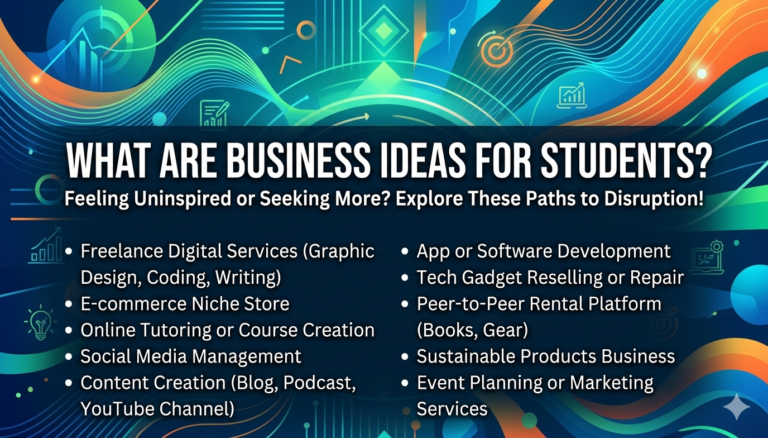
Different industries have varying entry barriers, profitability potential, and growth prospects. Consider sectors like:
- Technology and software
- Health and wellness
- Sustainable products and services
- Online education and e-learning
- Niche retail or e-commerce
By comparing these sectors, you can better understand which areas align with your interests, skills, and resources.
2. Trend Analysis

Pay attention to current and future trends. Consumer behavior is constantly evolving, and businesses that adapt to trends have a higher chance of success. Analyze market reports, social media patterns, and emerging technologies to identify promising opportunities.
Using trends to answer how to find a good business to start disbusinessfied ensures that your business idea is relevant and has growth potential.
3. Competitor Analysis
Understanding the competition helps you differentiate your business. Look at what competitors are offering, their pricing strategies, marketing techniques, and customer reviews. Finding a unique selling proposition (USP) is essential to stand out in any market.
Evaluating Business Ideas
Once potential opportunities are identified, the next step is evaluation. Not every idea is viable or worth pursuing.
1. Profitability Assessment
Consider the revenue potential and cost structure of the business. Evaluate startup costs, operational expenses, and potential profit margins. Ensure that the idea can sustain itself and provide a reasonable return on investment.
2. Feasibility Study
Assess the feasibility by considering factors such as:
- Availability of resources
- Legal requirements and regulations
- Supply chain and logistics
- Technical capabilities
A thorough feasibility study helps filter out ideas that are unlikely to succeed and narrows your focus to actionable options.
3. Risk Analysis
Every business carries risks. Analyze market volatility, competitive threats, financial risks, and operational challenges. Businesses that manage risks effectively are more resilient in the long run, which is a critical factor when determining how to find a good business to start disbusinessfied.
Business Planning and Strategy
A solid business plan acts as a blueprint for success. It outlines your objectives, strategies, and operational framework.
1. Defining the Business Model
Identify how your business will generate revenue. Will it be through direct sales, subscription services, freemium models, or partnerships? Clarifying the business model early ensures better planning and investor confidence.
2. Marketing and Customer Acquisition
A great product is meaningless without customers. Develop marketing strategies tailored to your target audience. Digital marketing, social media campaigns, influencer partnerships, and SEO-driven content are common strategies for acquiring and retaining customers.
3. Financial Planning
Budgeting and forecasting are essential. Include startup capital, operational costs, projected revenue, and contingency funds. Financial planning reduces uncertainty and provides clarity when scaling the business.
Launching Your Business
After planning, it’s time to execute your vision. Launching a business requires careful coordination and attention to detail.
1. Establishing Operations
Set up operational processes for smooth functioning. Define roles and responsibilities, establish workflows, and implement tools for project management, communication, and customer relationship management.
2. Branding and Online Presence
A strong brand creates credibility and attracts customers. Invest in a professional logo, website, and social media profiles. A compelling brand story helps differentiate your business and positions it effectively in the market.
3. Early Customer Engagement
Engage with your first customers to gather feedback and improve products or services. Positive testimonials and word-of-mouth referrals are invaluable in building early momentum.
Implementing strategies that answer how to find a good business to start disbusinessfied at the launch stage helps set the foundation for sustainable growth.
Scaling and Growth Strategies
Starting a business is only the beginning; scaling is where long-term success lies.
1. Continuous Market Analysis
Monitor trends, customer preferences, and competitor activity continuously. Adjust strategies accordingly to maintain relevance and capture new opportunities.
2. Expanding Offerings
Once the core business is stable, consider expanding product lines, services, or entering new markets. Careful expansion increases revenue streams and strengthens market position.
3. Automation and Delegation
As operations grow, automate repetitive tasks and delegate responsibilities. Efficiency increases, errors reduce, and the business can focus on strategic growth rather than day-to-day management.
Sustainability and Ethical Considerations
Modern businesses must also consider their social and environmental impact.
- Sustainable Practices: Reduce waste, adopt eco-friendly materials, and minimize energy consumption.
- Ethical Operations: Fair labor practices and transparency build trust with customers and stakeholders.
- Community Engagement: Supporting local communities enhances reputation and customer loyalty.
By incorporating sustainability and ethics, your business aligns with modern consumer values, an important aspect when assessing how to find a good business to start disbusinessfied.
Common Mistakes to Avoid

Avoiding pitfalls is crucial for long-term success.
- Skipping market research
- Ignoring financial planning
- Overextending resources
- Underestimating competition
- Neglecting customer feedback
Being aware of these mistakes increases your chances of building a profitable and resilient business.
Frequently Asked Questions (FAQs)
Q1: How do I identify the best industry to enter?
A1: Analyze market trends, unmet needs, and areas that match your skills and interests. Research is key.
Q2: How much capital do I need to start a business?
A2: It depends on the business model. Consider startup costs, operational expenses, and a safety buffer.
Q3: Is it better to start online or offline?
A3: Both options have pros and cons. Online businesses often require lower upfront investment and have wider reach.
Q4: How can I reduce business risks?
A4: Conduct feasibility studies, plan finances, monitor competition, and maintain flexibility.
Q5: How long does it take for a business to become profitable?
A5: Profitability varies but typically ranges from 6 months to 3 years, depending on the market and model.
Q6: Can I run a business part-time initially?
A6: Yes, many businesses start part-time. Ensure that initial operations are manageable.
Q7: How important is branding?
A7: Branding is critical. A strong brand builds trust and attracts loyal customers.
Q8: Should I hire employees immediately?
A8: Start with a lean team. Scale staffing as operations and revenue grow.
Q9: How can technology help in business?
A9: Tools for automation, analytics, marketing, and communication enhance efficiency and decision-making.
Q10: How do I know if my business idea is viable?
A10: Conduct market research, competitor analysis, feasibility study, and test the concept before fully launching.
Conclusion
Answering the question how to find a good business to start disbusinessfied requires careful research, planning, and execution. A successful business is built on understanding market needs, leveraging personal strengths, conducting financial and feasibility assessments, and developing a strong operational strategy.
By following the steps outlined in this article—researching opportunities, evaluating ideas, planning strategically, launching effectively, and scaling sustainably—entrepreneurs can significantly increase their chances of success. Avoiding common mistakes, engaging customers, and incorporating sustainable practices ensures not only profitability but also long-term relevance in a competitive market.